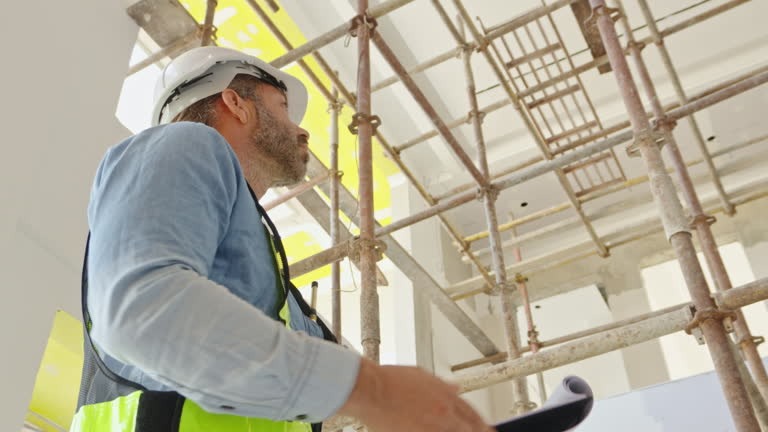
During the process of buying or selling a home, or even as part of routine maintenance, a home foundation inspection is often required. This examination ensures that the structure is stable and safe for occupancy. It’s essential to know what to expect during this process, which can help you make informed decisions about potential repairs or adjustments.
A home foundation inspection typically begins with an exterior evaluation. The inspector will look for signs of damage or wear that could impact the foundation’s integrity. These may include ground movement, standing water near the house, cracks in walls and floors, doors and windows not closing properly, or visible shifts in the structure itself.
Following this initial assessment, they will examine specific areas closely using specialized equipment like moisture meters and leveling tools to determine if there are any irregularities that might indicate foundational issues. In some cases, they may also use thermal imaging cameras to identify hidden moisture problems behind walls.
After examining the exterior thoroughly, inspectors move inside to check for signs of structural strain such as uneven flooring and cracks in walls or ceilings. They’ll also inspect crawl spaces and basements for indications of water damage like dampness or mold growth since these conditions click now can weaken foundations over time.
The inspector will pay close attention to areas where concrete might be exposed – such as in unfinished basements – looking for signs of cracking or chipping that could suggest underlying problems with the foundation’s stability. They’ll also look at how well doors and windows function within their frames; difficulties opening or closing them can sometimes point towards shifting in the building’s structure.
Once all these aspects have been reviewed meticulously by your inspector during a home foundation inspection, they compile their findings into an official report detailing any concerns identified along with recommendations on how best to address them moving forward.
This report provides valuable information about your property’s condition so you can plan necessary repairs promptly before minor issues escalate into significant challenges potentially requiring costly interventions down line.
In conclusion, it’s important to note that a home foundation inspection is not just about identifying problems. It’s also an opportunity to gain a deeper understanding of your home, its strengths and weaknesses, and how best to maintain it over time. This knowledge can help you protect your investment in the long term and ensure that your property remains safe, comfortable, and valuable for years to come. So when scheduling a foundation inspection, approach it as an educational experience rather than simply another item on your home maintenance checklist.